Most American construction firms miss out on nearly 40 percent of online leads because of poor website user experience. In the competitive construction market, the way potential clients interact with your website shapes their entire impression of your business. Understanding and implementing strategic website UX is the difference between being overlooked and becoming the trusted choice for new projects. This article uncovers the essential UX principles every American builder needs to attract, engage, and convert digital visitors into loyal clients.
Table of Contents
- Defining Website UX for Construction Firms
- Types of Construction Website User Experiences
- Core Elements Driving User Engagement
- How UX Influences Lead Generation Results
- UX Pitfalls to Avoid in Construction Sites
Key Takeaways
| Point | Details |
|---|---|
| Focus on User-Centric Design | Prioritize user needs to transform construction websites into engaging platforms that foster client trust and facilitate decision-making. |
| Embrace Diverse UX Models | Utilize a range of website experiences from basic informational sites to advanced lead generation platforms, enhancing client interaction. |
| Optimize for Conversion | Implement clear navigation, trust signals, and effective call-to-action strategies to streamline client engagement and boost lead generation. |
| Avoid UX Pitfalls | Steer clear of crowded designs, confusing navigation, and slow performance to maintain user interest and enhance overall site effectiveness. |
Defining Website UX for Construction Firms
Website User Experience (UX) for construction firms represents a strategic digital interface that transforms how potential clients interact with and perceive your business online. Unlike generic websites, a construction-specific UX focuses on creating intuitive pathways that guide potential clients through complex project exploration and decision making processes.
At its core, construction website UX involves designing digital experiences that anticipate and resolve specific user needs. These needs typically include understanding project capabilities, viewing detailed portfolios, accessing transparent pricing information, and establishing credibility through professional presentation. A well-crafted website UX for builders goes beyond aesthetic design to create functional digital environments that effectively communicate technical expertise and build client trust.
The key components of effective construction website UX include:
- Clear navigation structures that help users quickly find relevant project information
- Responsive design enabling seamless mobile and desktop experiences
- High-quality visual portfolios showcasing completed and in-progress projects
- Integrated contact forms with straightforward submission processes
- Performance metrics and client testimonials that demonstrate proven track records
Understanding website UX requires recognizing that construction clients are seeking more than surface-level information. They want comprehensive insights that help them evaluate technical capabilities, project management approaches, and potential collaboration opportunities. By prioritizing user-centric design principles, construction firms can transform their websites from static information repositories into dynamic lead generation platforms that actively engage potential clients.
Types of Construction Website User Experiences
Construction website user experiences vary widely, ranging from basic informational platforms to sophisticated interactive digital ecosystems that actively engage potential clients. These experiences can be categorized into distinct types that reflect different strategic approaches to digital client interaction and lead generation.
The first category involves informational websites, which serve as digital brochures providing basic company details, project galleries, and contact information. These sites typically offer static content with limited interactivity. In contrast, website strategy for builders emphasizes more dynamic approaches that transform websites from passive information repositories into active engagement platforms.
Constructors can implement several distinct website user experience models:
- Basic Informational Sites
- Simple project showcases
- Limited contact options
- Static content presentation
- Interactive Portfolio Websites
- Detailed project walkthroughs
- Virtual project exploration tools
- Integrated client testimonial sections
- Advanced Lead Generation Platforms
- Customized project calculation tools
- Real-time consultation scheduling
- Comprehensive project visualization interfaces
The most sophisticated construction websites go beyond traditional design by creating immersive digital experiences that simulate project potential. These platforms leverage advanced UX principles to transform complex technical information into engaging, accessible narratives that potential clients can easily understand and appreciate. By prioritizing user-centric design, construction firms can turn their digital presence into powerful lead generation machines that communicate expertise, build trust, and streamline client acquisition processes.

Core Elements Driving User Engagement
User engagement in construction websites represents a complex interplay of design, content, and interactive elements that transform passive viewing into active exploration. Successful digital experiences require strategic approaches that capture and maintain potential client interest through carefully crafted digital touchpoints.
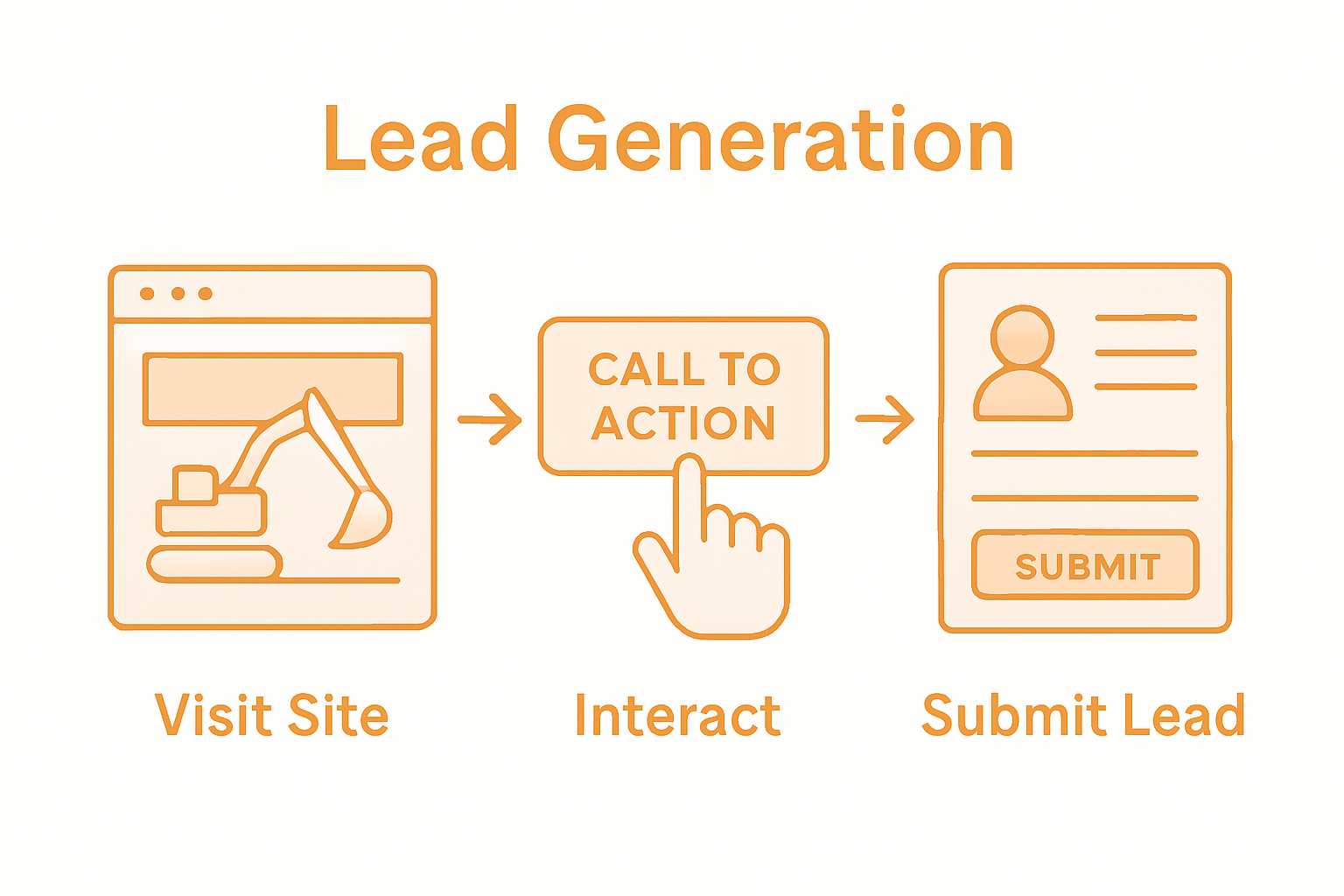
Research reveals that visual content intensity significantly impacts user conversion rates, suggesting construction websites must balance informative design with compelling visual narratives. The most effective platforms create immersive experiences that allow potential clients to mentally navigate project possibilities before making initial contact. Content volume strategically positioned on landing pages plays a critical role in guiding user behavior and maintaining engagement.
The core elements driving construction website user engagement include:
- Visual Storytelling
- High-resolution project galleries
- Before and after comparisons
- Interactive project visualization tools
- Technical Credibility Indicators
- Detailed project specifications
- Performance metrics and case studies
- Professional certifications and awards
- User Experience Optimization
- Intuitive navigation structures
- Mobile-responsive design
- Fast loading performance
- Clear call-to-action pathways
Ultimately, construction websites must transcend traditional marketing approaches by creating digital environments that not only showcase technical capabilities but also build emotional connections. By prioritizing user-centric design principles, builders can transform their online presence from static information repositories into dynamic platforms that actively engage and convert potential clients through meaningful, personalized interactions.
How UX Influences Lead Generation Results
User experience fundamentally transforms how construction firms attract and convert potential clients through digital platforms. The connection between website design and lead generation is no longer a peripheral consideration but a critical strategic imperative that directly impacts business growth and market positioning.
Online lead generation frameworks rooted in UX principles demonstrate that intentional design can dramatically enhance business value. Construction websites that prioritize user-centric interfaces create smoother pathways for potential clients to explore services, understand capabilities, and initiate contact. Effective UX design simplifies complex interactions, building trust and reducing friction in the initial engagement process.
Key mechanisms through which UX influences lead generation include:
- Cognitive Ease
- Intuitive navigation
- Clear information hierarchy
- Minimal decision complexity
- Trust Signals
- Professional visual design
- Transparent project information
- Client testimonial integration
- Conversion Optimization
- Strategic call-to-action placement
- Streamlined contact forms
- Mobile responsiveness
Ultimately, superior UX transforms websites from passive information repositories into dynamic lead generation engines. By creating digital experiences that anticipate and address potential client needs, construction firms can convert casual website visitors into qualified leads more effectively, turning sophisticated design into a powerful competitive advantage.
UX Pitfalls to Avoid in Construction Sites
User experience design in construction websites requires strategic navigation through potential digital landmines that can quickly derail potential client engagement. Understanding these critical pitfalls becomes essential for creating websites that effectively communicate technical expertise while maintaining user interest.
Rapid user disengagement occurs when visual intensity overwhelms site visitors, suggesting construction firms must carefully balance aesthetic appeal with functional clarity. Research demonstrates that excessive content can negatively correlate with user engagement, highlighting the importance of thoughtful, streamlined digital experiences that prioritize meaningful information over visual clutter.
Common UX pitfalls construction websites must avoid include:
- Visual Complexity Traps
- Overcrowded design layouts
- Competing visual elements
- Excessive graphics that distract from core messaging
- Navigation Obstacles
- Confusing menu structures
- Hidden contact information
- Complex project exploration paths
- Performance Limitations
- Slow loading webpages
- Non-responsive mobile designs
- Inconsistent cross-device experiences
Successful construction websites transform potential technical limitations into strategic opportunities by creating intuitive, focused digital experiences. By eliminating user friction points and designing with intentional simplicity, firms can develop powerful online platforms that effortlessly guide potential clients through complex project evaluation processes.
Elevate Your Construction Website UX to Boost Lead Generation
Struggling with transforming your construction website into an effective lead generation tool is a common challenge. The article highlights how poor user experience can create navigation obstacles and visual complexity traps that overwhelm potential clients. Your goals are clear: simplify interactions, build trust through technical credibility, and guide visitors smoothly from project exploration to contact initiation. Focus on creating intuitive navigation, responsive designs, and strategic call-to-actions that reduce cognitive load and increase conversion.
With BoxBuild Agency, you gain a digital growth partner who understands these specific pain points. We combine deep industry insight with leading digital strategies such as Funnels – BoxBuild and targeted Google Ads – BoxBuild campaigns to turn your website into a high-performing lead generation platform. Our data-driven approach ensures your site is designed to build trust, streamline client journeys, and close high-value projects faster.
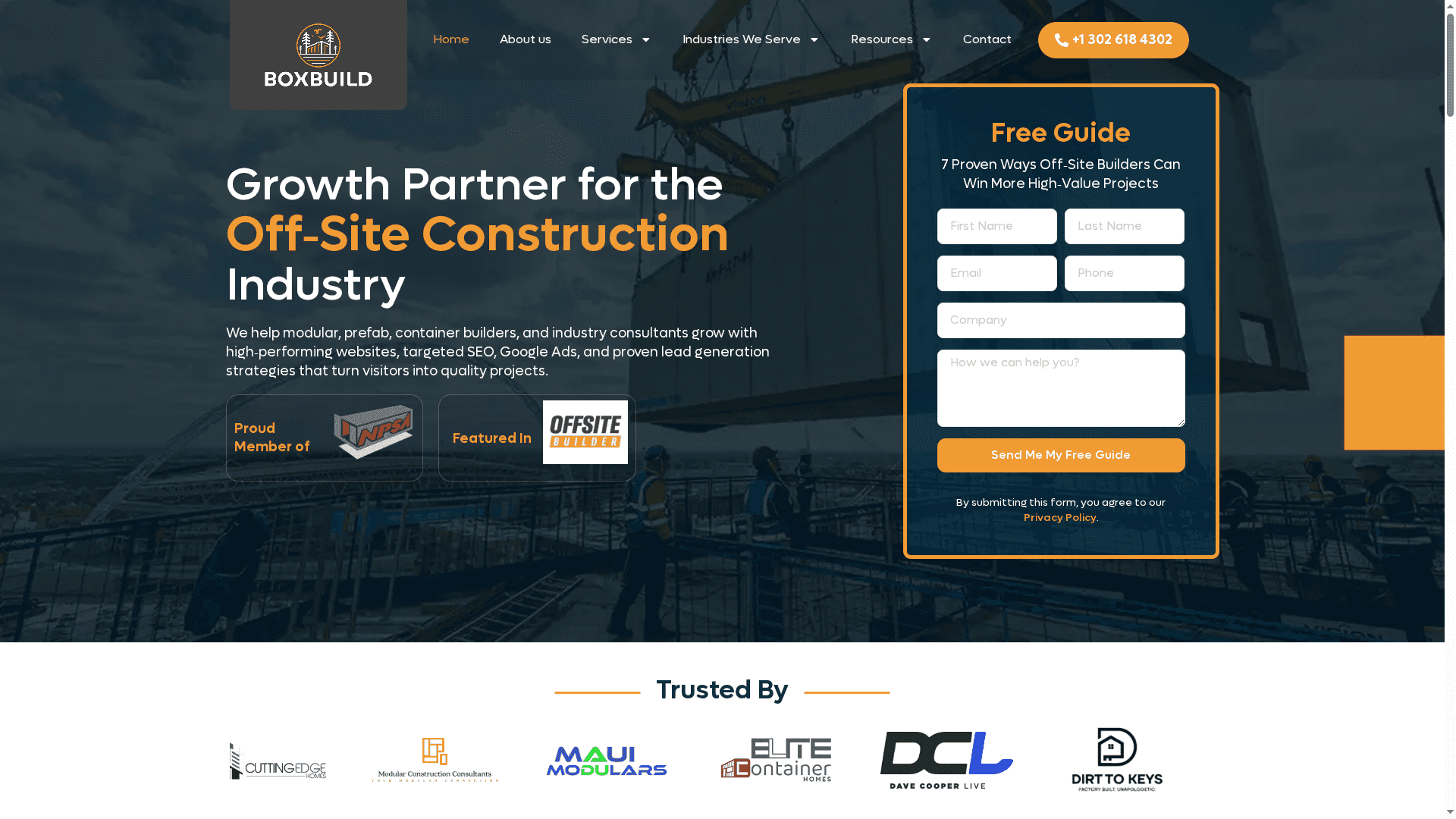
Don’t let UX pitfalls hold your construction firm back from achieving market leadership. Visit BoxBuild Agency today to discover how we can help you design a website experience that engages users and drives qualified leads. Take the next step now and transform your online presence into a powerful tool for growth.
Frequently Asked Questions
How does website UX impact lead generation for construction firms?
A well-designed website UX enhances lead generation by creating intuitive pathways for potential clients to explore services, understand capabilities, and easily initiate contact.
What are the key components of effective UX for construction websites?
Key components include clear navigation, responsive design, high-quality visual portfolios, integrated contact forms, and the display of performance metrics and client testimonials.
What common UX pitfalls should construction websites avoid?
Construction websites should avoid visual complexity traps, confusing navigation, and performance limitations such as slow loading times and non-responsive designs.
How can visual storytelling improve user engagement on construction websites?
Visual storytelling through high-resolution project galleries and interactive tools allows potential clients to mentally navigate project possibilities, enhancing engagement and interest.