Pressure is mounting for North American modular and prefab construction executives as traditional project delivery methods struggle to meet client expectations. The urgent need to stay ahead has made embracing digital transformation in construction a strategic imperative rather than a luxury. Forward-thinking leaders are now reimagining how advanced technologies and organizational change can drive efficiency, accuracy, and lasting business value across every phase of the modular building process.
Table of Contents
- Defining Digital Transformation in Construction
- Key Technologies Reshaping Construction Projects
- Practical Use Cases for Modular and Prefab Firms
- Benefits and Challenges for Industry Leaders
- Overcoming Common Adoption Pitfalls
Key Takeaways
| Point | Details |
|---|---|
| Digital Transformation Requires Holistic Change | Successful digital transformation goes beyond technology adoption and demands a comprehensive approach integrating culture, process, and strategy. |
| Key Technologies Drive Efficiency | Technologies like BIM, IoT, and AI are reshaping construction by enhancing accuracy, reducing errors, and optimizing project delivery. |
| Embrace Continuous Learning | Organizations should prioritize ongoing skill development and a supportive ecosystem to navigate the challenges of digital adoption. |
| Address Adoption Pitfalls | To overcome common challenges, firms need clear leadership support, targeted training, and integrated technology frameworks. |
Defining Digital Transformation in Construction
Digital transformation in construction represents a fundamental reimagining of how modular and prefab builders leverage technology to drive strategic organizational change. More than just implementing new software, this process involves comprehensive shifts in operational approaches, workforce capabilities, and strategic thinking.
At its core, digital transformation goes beyond simple technological upgrades. Comprehensive organizational change frameworks reveal that true digital transformation requires a holistic approach involving multiple dimensions:
- Technological Integration: Adopting advanced digital tools like Building Information Modeling (BIM), Internet of Things (IoT), and artificial intelligence
- Cultural Adaptation: Developing workforce skills and creating an innovation-oriented organizational mindset
- Process Reengineering: Redesigning existing workflows to maximize digital technology’s potential
- Strategic Alignment: Ensuring digital initiatives directly support broader business objectives
The construction industry has traditionally been slow to embrace digital technologies, but recent global trends are accelerating transformation. Advanced digital integration strategies demonstrate how modular builders can enhance efficiency, collaboration, and sustainability through strategic technological investments.
Compare the digital transformation journey with traditional construction change:
| Approach | Change Method | Impact on Operations | Workforce Adaptation |
|---|---|---|---|
| Digital Transformation | Strategic, flexible | Streamlined processes | Ongoing upskilling |
| Traditional Change | Incremental, static | Limited improvements | Resistance to new methods |
Pro tip: Start your digital transformation by conducting a comprehensive digital maturity assessment to identify specific technological opportunities within your current operational framework.
Key Technologies Reshaping Construction Projects
Modular and prefab construction is experiencing a technological revolution, with digital innovations fundamentally transforming traditional project delivery methods. Advanced digital technologies are driving unprecedented improvements in efficiency, accuracy, and strategic capabilities across the construction ecosystem.
Key transformative technologies driving this revolution include:
- Building Information Modeling (BIM): Enables comprehensive 3D digital representations of construction projects
- Internet of Things (IoT): Provides real-time monitoring and data collection from construction sites
- Artificial Intelligence: Supports predictive analytics, risk management, and automated decision-making
- Augmented and Virtual Reality: Facilitates immersive design visualization and remote collaboration
- Robotics and Automation: Enhances precision in manufacturing and on-site construction processes
Systematic technology implementation strategies reveal that successful digital transformation requires more than just purchasing new tools. It demands a holistic approach integrating technological capabilities with organizational culture, workforce skills, and strategic vision.
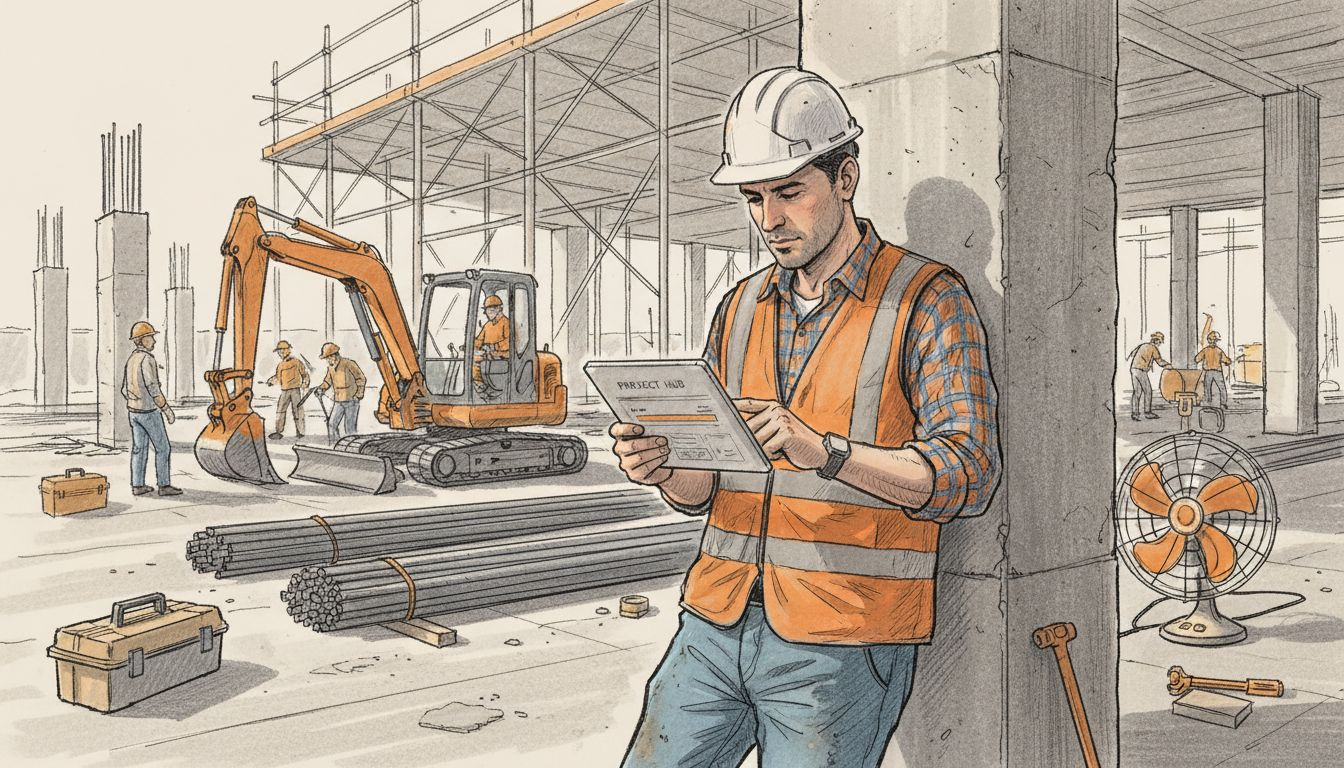
These technologies are not just incremental improvements but represent fundamental shifts in how construction projects are conceived, designed, executed, and managed. By leveraging advanced digital tools, modular builders can dramatically reduce project timelines, minimize errors, optimize resource allocation, and create more sustainable, adaptable building solutions.
Here’s a summary of how major technologies support modular construction objectives:
| Technology | Primary Purpose | Example Business Impact |
|---|---|---|
| BIM | Enhanced project visualization | Fewer design errors |
| IoT | Real-time data collection | Improved site monitoring |
| Artificial Intelligence | Automated decision-making | Faster risk assessments |
| Robotics/Automation | Precision manufacturing | Higher quality components |
| Augmented/Virtual Reality | Remote collaboration | Increased stakeholder engagement |
Pro tip: Develop a phased technology adoption roadmap that aligns digital investments with your specific organizational capabilities and strategic objectives.
Practical Use Cases for Modular and Prefab Firms
Digital transformation strategies are revolutionizing modular and prefab construction by delivering unprecedented operational improvements across multiple project dimensions. These technological interventions are creating tangible, measurable benefits that go far beyond traditional construction methodologies.
Practical applications of digital transformation in modular construction include:
- Design Optimization: Using digital twins and BIM to create precise 3D models with minimal errors
- Manufacturing Precision: Implementing robotic automation for consistent, high-quality component production
- Supply Chain Management: Utilizing real-time tracking and predictive analytics for material procurement
- Quality Control: Integrating IoT sensors to monitor construction processes and detect potential issues
- Project Planning: Leveraging AI-driven predictive models to forecast project timelines and resource requirements
Advanced digital implementation strategies demonstrate that successful digital transformation is not about isolated technological interventions, but creating an integrated ecosystem of digital capabilities. This holistic approach allows modular firms to address complex construction challenges while maintaining competitive advantage.
The most successful modular builders are those who view digital transformation as a continuous journey of technological adaptation and organizational learning. By systematically integrating digital tools, these firms can significantly reduce project complexity, minimize human error, and create more sustainable, efficient building solutions.
Pro tip: Conduct a comprehensive digital maturity assessment to identify specific technological opportunities unique to your organization’s current capabilities and strategic objectives.
Benefits and Challenges for Industry Leaders
Digital transformation dynamics are reshaping the modular and prefab construction landscape, presenting both extraordinary opportunities and significant organizational challenges for industry leaders.
Key benefits of digital transformation include:
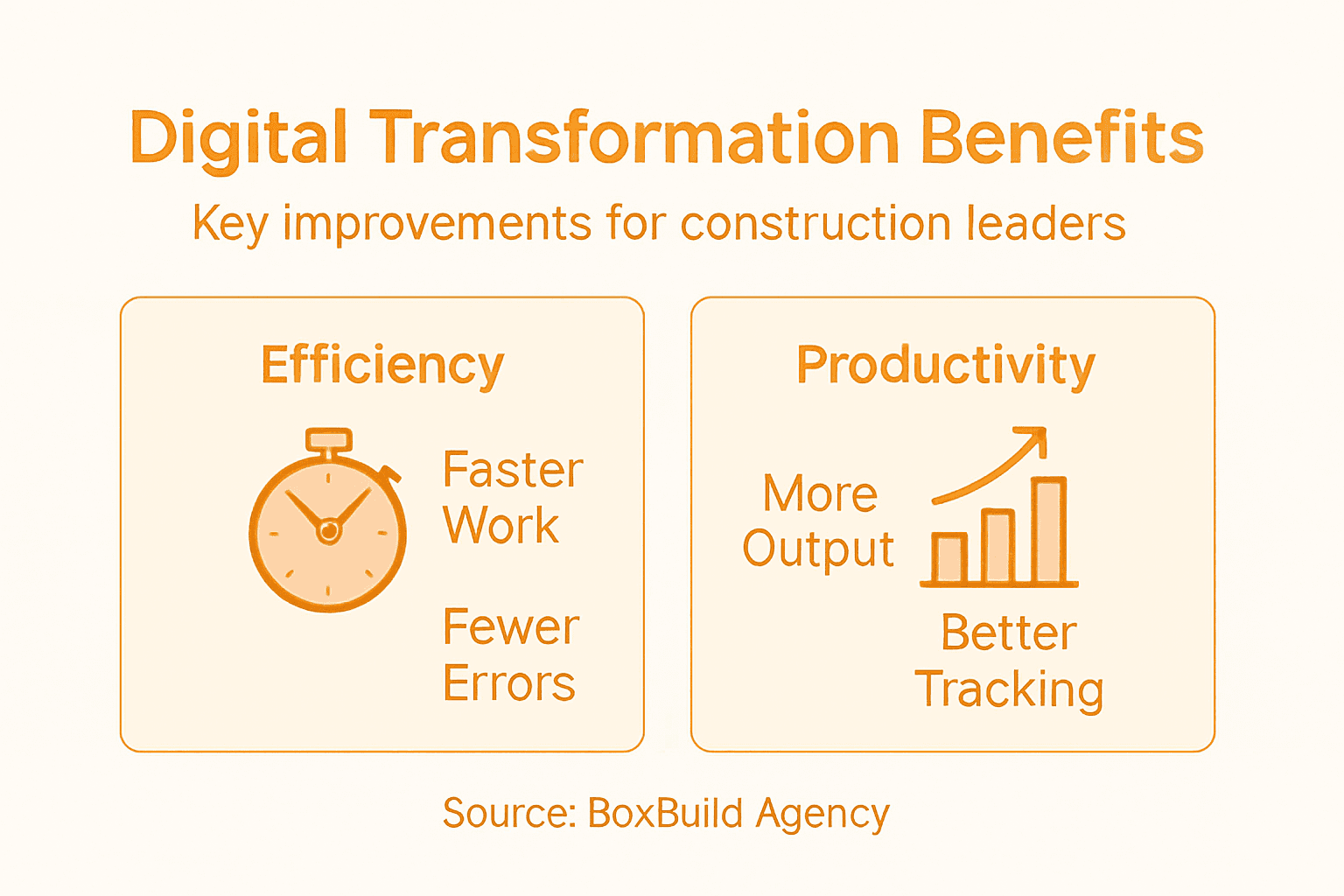
- Productivity Enhancement: Streamlining workflows and reducing manual intervention
- Cost Optimization: Minimizing waste and improving resource allocation
- Quality Control: Implementing precise digital monitoring and predictive maintenance
- Innovation Acceleration: Creating flexible, adaptable business models
- Competitive Differentiation: Developing advanced technological capabilities
Strategic transformation approaches reveal that successful digital adoption requires comprehensive organizational change management. The most significant challenges include technological disparities, workforce skill gaps, and deeply entrenched traditional operational mindsets.
Navigating these challenges demands a strategic, phased approach that balances technological investment with cultural transformation. Successful industry leaders recognize that digital transformation is not a destination but a continuous journey of technological adaptation and organizational learning.
Pro tip: Create a cross-functional digital transformation task force that includes representatives from technology, operations, and human resources to ensure holistic implementation and organizational alignment.
Overcoming Common Adoption Pitfalls
Digital technology implementation challenges represent complex organizational hurdles that demand strategic, multifaceted approaches from modular construction leaders. Understanding these potential roadblocks is crucial for successful digital transformation.
Common adoption pitfalls include:
- Inadequate Leadership Support: Failing to create a clear digital transformation vision
- Workforce Skill Gaps: Insufficient training and technological literacy
- Cultural Resistance: Entrenched traditional operational mindsets
- Technology Fragmentation: Inconsistent or poorly integrated digital tools
- Resource Constraints: Limited budgets and implementation capabilities
Systematic transformation strategies reveal that overcoming these challenges requires a comprehensive, phased approach. Successful firms develop robust change management frameworks that address technological, organizational, and human elements simultaneously.
The most effective digital transformation strategies prioritize continuous learning, open communication, and incremental technological integration. By creating a supportive ecosystem that values innovation and provides ongoing skill development, modular construction firms can successfully navigate the complex landscape of digital adoption.
Pro tip: Develop a structured digital competency framework that maps current workforce skills against future technological requirements and creates targeted upskilling pathways.
Accelerate Your Digital Transformation Journey in Construction
Facing the challenges of digital transformation in construction requires more than just new technology. As the article highlights, overcoming cultural resistance, workforce skill gaps, and integrating technologies like AI and IoT demands a strategic, data-driven approach that aligns with your organization’s goals. If your modular or prefab building firm strives to streamline processes, enhance project planning, and achieve competitive differentiation, you need a partner who understands these complexities.
At BoxBuild Agency, we specialize in helping off-site construction businesses generate qualified leads and close high-value projects through strategic digital marketing. Our expertise in AI and Funnels empowers you to build automated, technology-enabled sales pipelines that match your digital maturity ambitions.
Seize the opportunity to transform your construction business now. Visit BoxBuild Agency to discover how our tailored strategies in SEO, Google Ads, and automation can support your digital transformation goals and position you as a trusted market leader.
Frequently Asked Questions
What is digital transformation in construction?
Digital transformation in construction involves reimagining how modular and prefab builders utilize technology to drive strategic organizational change, focusing on technological integration, cultural adaptation, process reengineering, and strategic alignment.
Why is digital transformation important for modular and prefab construction firms?
Digital transformation is crucial for modular and prefab firms as it enhances productivity, optimizes resource allocation, improves quality control, accelerates innovation, and creates a competitive advantage through advanced technological capabilities.
What technologies are reshaping construction projects?
Key technologies reshaping construction projects include Building Information Modeling (BIM), Internet of Things (IoT), Artificial Intelligence, Augmented and Virtual Reality, and Robotics and Automation, which collectively enhance efficiency, accuracy, and strategic capabilities.
What are the common challenges faced during digital adoption in construction?
Common challenges during digital adoption in construction include inadequate leadership support, workforce skill gaps, cultural resistance, technology fragmentation, and resource constraints, all of which require strategic and multifaceted approaches for effective transformation.
Recommended
- Why Use Digital Marketing in Construction Today – BoxBuild
- Automation in Construction: Boosting Modular Efficiency – BoxBuild
- Data-Driven Marketing in Construction: Driving ROI – BoxBuild
- Why Optimize Construction Websites: Complete Guide – BoxBuild
- 7 Essential Construction Documentation Tips for Success – Florida Licensed Engineers
- 2025 Trends in Structural Engineering – Key Impacts for Texas – Texas Licensed Engineers